
Low-Dose Naltrexone (LDN)
At Good Life Pharmacy, we believe that personalized care can make a meaningful difference, especially for individuals living with chronic pain or immune-related conditions. Low-Dose Naltrexone (LDN) is a unique therapy that some healthcare providers may consider.
LDN is a lower-dose version of the medication naltrexone. While standard naltrexone is typically used at higher doses for alcohol or opioid dependence, LDN is used at much smaller doses, often between 0.5 mg and 4.5 mg per day, and works differently in the body at those levels. LDN is considered an off-label therapy when used for chronic pain or immune support, which means a provider must determine whether it is an appropriate course of action.
How LDN Works in the Body
LDN is believed to support the body’s own systems involved in pain and inflammation. At low doses, it may briefly block certain receptors, triggering the body to increase its own natural endorphins (the body’s “feel-good” and pain-modulating compounds). LDN may also influence immune system signaling pathways.
When LDN May Be Considered
Healthcare providers sometimes explore the use of LDN in situations where chronic pain or an immune system imbalance may play a role. Examples include:
- Chronic pain conditions
- Fibromyalgia
- Neuropathic pain
- Autoimmune-related conditions
- Inflammatory bowel conditions
- Chronic fatigue
- Certain types of nerve and central sensitivity pain


Why LDN is Compounded
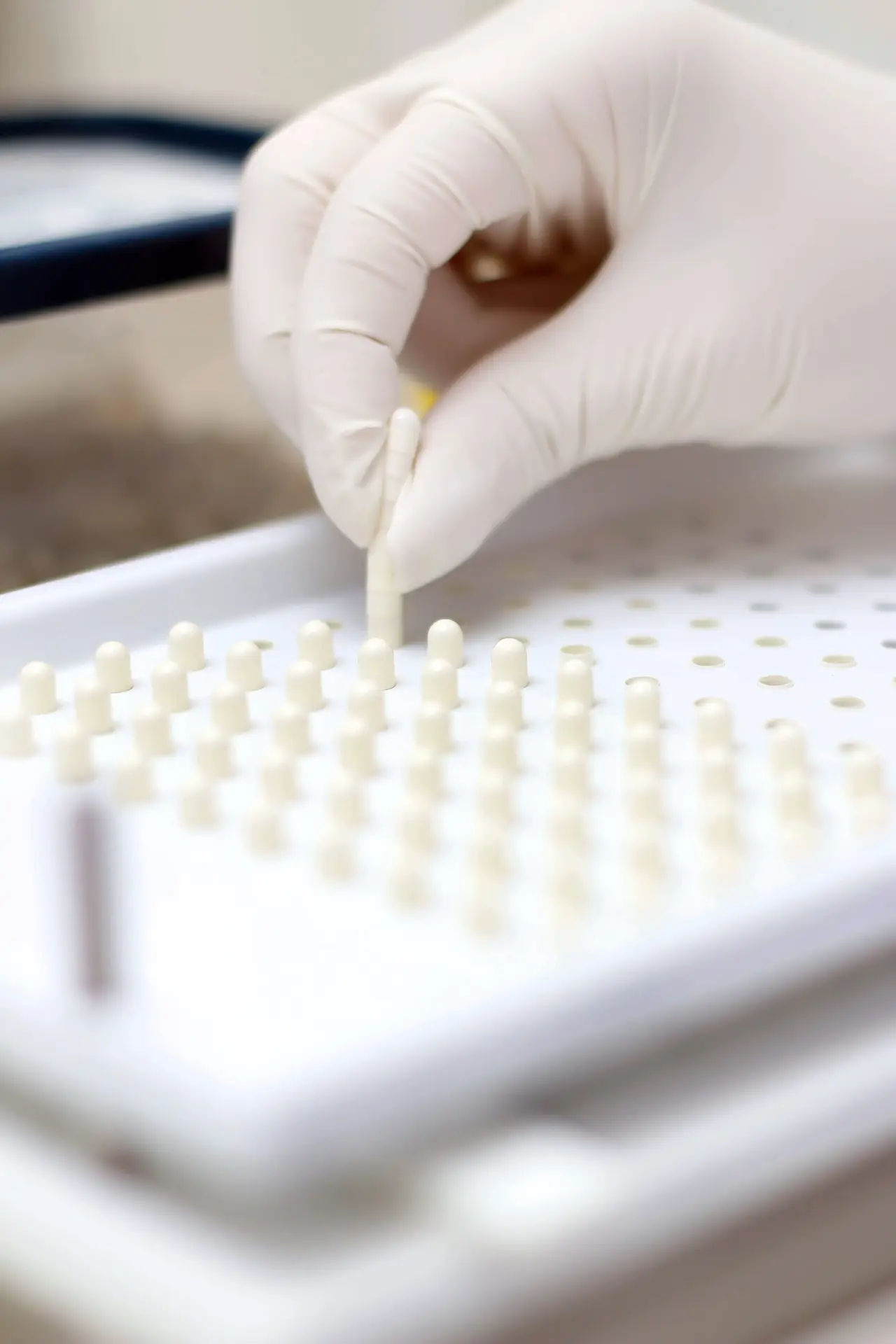
LDN is not available in low doses from commercial manufacturers. That means it must be specially prepared in a compounding pharmacy.
We work closely with prescribers to:
- Prepare the exact dose ordered
- Offer capsule, liquid, or other dosage forms when needed
- Adjust formulas based on results
- Guide timing and administration
Every prescription is prepared specifically for the individual it is intended for.
Our Commitment to Your Care
At Good Life Pharmacy, LDN is prepared with:
- High-quality ingredients from reputable suppliers
- Accurate dosing customized to your prescription
- Careful review by trained pharmacists
- Support and communication throughout your treatment journey
We are here to answer questions, coordinate with your provider, and help make your experience as smooth as possible.
Frequently Asked Questions About LDN
What dose of LDN is typically used?
LDN doses are much lower than traditional naltrexone doses. Most prescribers start with a low dose (for example, 0.5–1.5 mg) and gradually adjust up to find the dose that works best for the individual.
How long does it take to notice results?
Responses vary. Some individuals may notice changes after several weeks, while others may require longer. Your provider may recommend a gradual, step-wise dosing approach.
Can I take LDN if I am currently using opioid pain medications?
In most cases, LDN cannot be taken at the same time as opioid medications because it may interfere with how they work. Always discuss all current medications with your provider before starting LDN. Never stop or change medications on your own.
Are there side effects?
LDN is generally well tolerated. When side effects do occur, they are often mild and may include vivid dreams, difficulty sleeping, or temporary digestive discomfort. Your provider and pharmacist can help with dose timing or adjustments if needed.
Is LDN FDA-approved for these conditions?
Naltrexone itself is FDA-approved for alcohol and opioid use disorder at standard doses. LDN is considered an off-label use for other conditions, meaning your provider determines whether it is an appropriate option for your situation.
How do I know if LDN is right for me?
Your prescriber will review your medical history, current medications, and treatment goals to determine whether LDN may be appropriate. If they determine LDN may be helpful, they will send a prescription to Good Life Pharmacy for customized compounding.
Additional Information
Contact Good Life Pharmacy
If you are wondering whether LDN may be an option for you, we’re here to help guide the conversation. Contact Good Life Pharmacy to speak with a pharmacist or to learn how to begin the discussion with your healthcare provider.